Precision-Manufacturing Overview
Precision manufacturing focuses on producing components and products with extremely tight tolerances and high accuracy. Unlike traditional manufacturing, it emphasizes exact specifications, repeatability, and quality, making it essential in industries where even minor errors can cause failures, such as aerospace, medical devices, automotive, electronics, and optics.
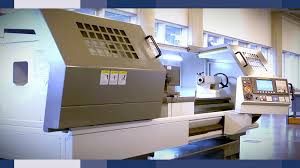
Advanced techniques like CNC machining, laser cutting, electrical discharge machining (EDM), micro-milling, and additive manufacturing (3D printing) are commonly used. High-grade materials, including metals, alloys, ceramics, and composites, ensure durability and stability under demanding conditions. Automation and robotics play a major role, reducing human error and improving consistency in assembly, finishing, and inspection processes.
The main benefits of precision manufacturing include high reliability, improved product performance, reduced waste, and competitiveness in high-tech markets. Challenges include the need for advanced machinery, skilled labor, and strict quality standards. Overall, precision manufacturing is the foundation for producing high-quality, reliable components that meet the exacting demands of modern industries.