Mold-&-Die
Mold and die manufacturing is a critical segment of the tooling industry, focused on creating precision molds and dies used in mass production of components across automotive, electronics, consumer goods, and aerospace sectors. Molds are specialized tools that shape molten or pliable materials—such as plastics, metals, or ceramics—into specific forms through processes like injection molding, blow molding, or compression molding. Dies, on the other hand, are used in metal forming operations, including stamping, forging, and extrusion, to cut, shape, or emboss materials into desired geometries.
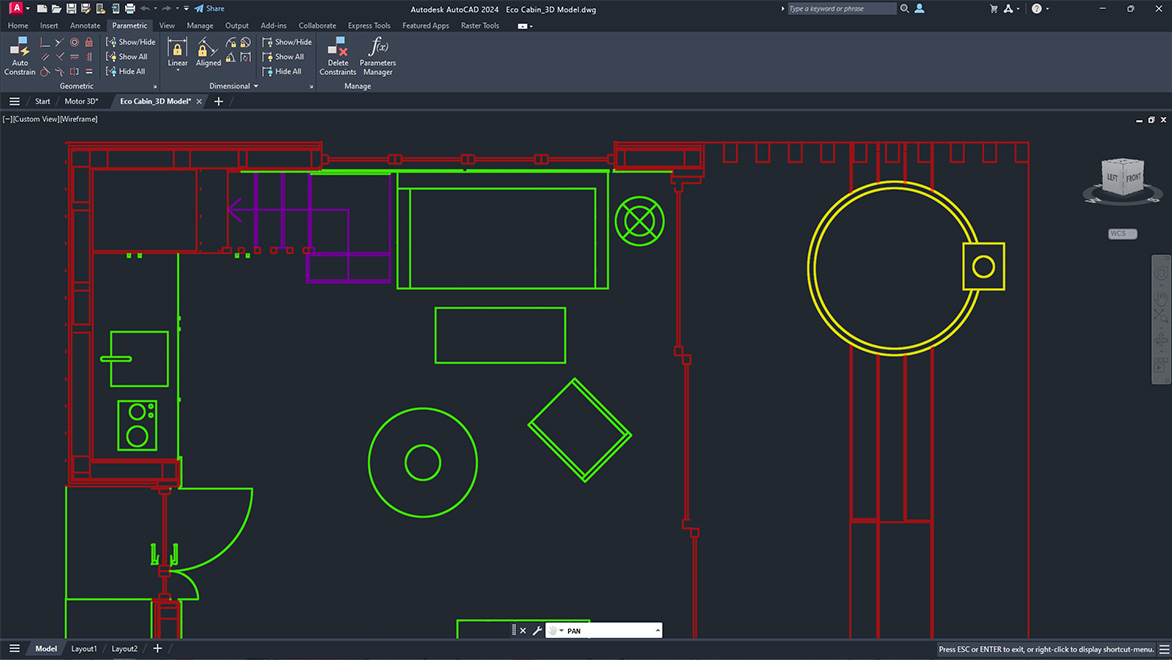
The design and fabrication of molds and dies require high accuracy, as even minor deviations can affect product quality and consistency. Advanced CAD/CAM software, CNC machining, EDM (Electrical Discharge Machining), and additive manufacturing are commonly employed for precise tooling. Material selection, heat treatment, and surface finishing are essential to ensure durability, wear resistance, and dimensional stability of the tools.
Mold and die engineering plays a pivotal role in reducing production costs, improving cycle times, and enabling complex product designs. As industries demand faster time-to-market and higher-quality components, the mold and die sector continues to innovate with techniques like multi-cavity molds, conformal cooling, and modular die systems, making it an indispensable part of modern manufacturing.